Therapeutic Areas

IBSA at ESHRE 2026: Science, Care and Future Vision for Reproductive Medicine

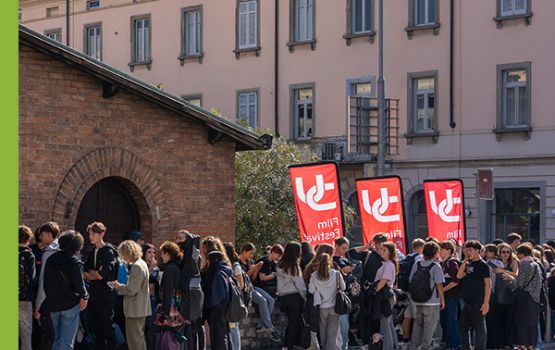
Once again this year, IBSA participated in the Annual Meeting of the European Society of Human Reproduction and Embryology (ESHRE), which took place in London, from 5 to 8 July, bringing together the global scientific community in the field of reproductive medicine. 

In line with its new claim “We care, it’s in our nature”, IBSA promoted a dialogue that goes beyond purely clinical boundaries. Indeed, the decline in birth rates is not merely a medical issue: it reflects a profound cultural shift where the desire for a child must be balanced against lifestyles, personal priorities and family planning that has inevitably been delayed.

ADDRESSING FERTILITY DECLINE IN AN EVOLVING SOCIAL LANDSCAPE

On Tuesday 7 July, IBSA’s symposium “Tackling fertility decline in a changing society” opened a discussion on postponed parenthood and its impact on reproductive health. 

Moderated by Professor Anja Pinborg (Denmark) and Professor Richard Anderson (UK), the session featured an interdisciplinary faculty of leading international experts. They explored the complexity and challenges that clinical teams and patients face daily in assisted reproduction journeys, while highlighting the critical importance of psychological support

Though sometimes underestimated, maternal age remains the primary determinant of reproductive outcomes, directly affecting oocyte quality and embryo development. As clearly emerged during the symposium, fertility education and awareness represent a new frontier in bridging this information gap.

Faced with these challenges, a belated, purely medical response may not suffice. Consequently, the need for a broader, more proactive approach is gaining traction – a philosophy of care that combines conscious awareness with personalised therapeutic pathways that respect the body’s biological rhythms and support couples at every stage of their journey.

THE NEW FRONTIERS OF OVARIAN STIMULATION

While evolving social patterns define the current landscape, the scientific response is delivered through a therapeutic approach that respects and supports reproductive biology. This theme was the focal point of the company session, “Decoding follicular dynamics to optimise ovarian stimulation”, moderated by Prof. Laura Francesca Rienzi (Italy) and Prof. Samir Hamamah (France).

The debate featured a refocusing of the clinical objective on achieving maximum cellular and embryonic quality. This physiology-based approach allows clinicians to design personalised protocols, responding more effectively even to the most complex clinical scenarios, which are typical of women of advanced reproductive age.

LOOKING AHEAD: SHAPING THE FUTURE OF ASSISTED REPRODUCTION (ART) TOGETHER

The scientific presentations and discussions demonstrate how this pathway successfully addresses the real-world needs of modern reproductive medicine. Today, innovation in this field aims to look beyond the mere treatment of infertility, contributing instead to a broader and more proactive model that integrates education, prevention and therapeutic personalisation.

It is precisely within this framework that optimising the follicular environment could become a key element in improving ovarian response and clinical outcomes, offering concrete solutions to the new global challenges posed by declining birth rates.

By combining rigorous scientific research with deep human empathy, IBSA continues to support the future of reproductive medicine, offering therapeutic solutions that can transform the complexities of today into real possibilities for tomorrow.

UKCOR01532    July 2026